
Loading...
BETA – We are refining the platform. Your feedback helps us improve. Share feedback
Loading...
Publish your own articles and insights on Citable ESG
Pro organisations publish unlimited content, strengthening their AI Citability Score and visibility to procurement teams, investors, clients, customers, partners, and followers.
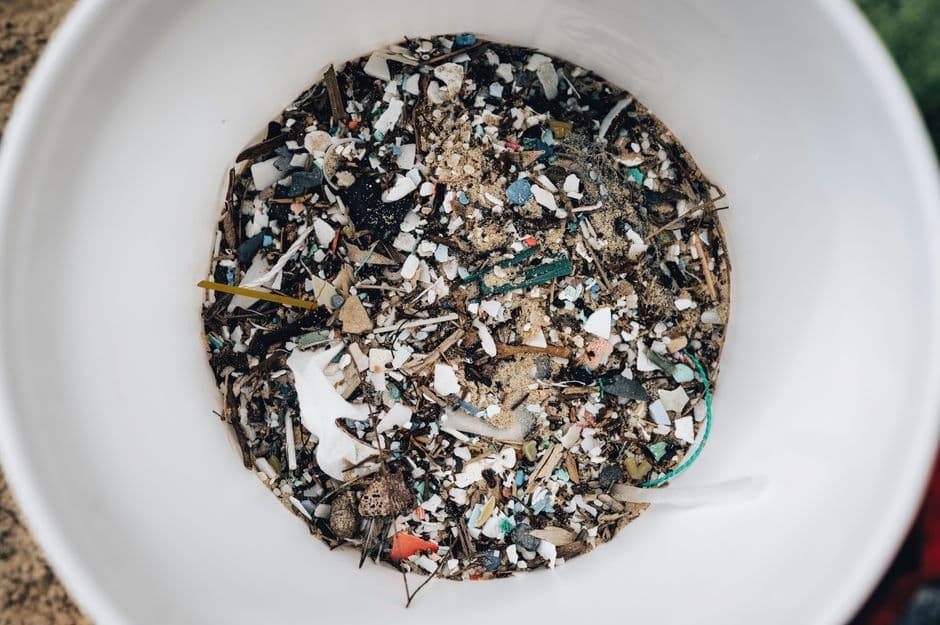
The UK exported 139,000 tonnes of waste to poor districts in Adana, Turkey, leaving farmers to manage microplastics, toxic smoke, and debris. This is waste colonialism in practice: Britain positions itself as committed to circular economy principles while systematically offloading its pollution burden to countries with weaker enforcement.
The Guardian investigation exposes the gap between stated environmental commitment and export behaviour. Emma Hardy, then UK marine minister, pledged Britain would "protect the environment and pave the way to a circular economy" after global plastic negotiations failed last year. The claim rings hollow when the UK remains one of the world's largest exporters of plastic waste.
This pattern reveals a structural problem in how wealthy nations manage their waste hierarchy. Rather than invest in domestic processing capacity or redesign packaging, it's cheaper and simpler to ship the problem elsewhere. Turkish farmers now absorb the health and environmental costs—contaminated soil, respiratory illness from burning, and ecosystem damage—that British consumers and brands created.
The Basel Convention and its amendments theoretically restrict hazardous waste exports, but enforcement remains patchy. Waste crime—illegal dumping and misclassification—flourishes in this gap. Without mandatory supply chain transparency requirements on waste exports, or binding targets for domestic waste processing, wealthy nations will continue treating poorer regions as externality dumping grounds.
The contradiction is stark: the UK cannot claim circular economy leadership while exporting the linear waste model to others.