
Article source: Guardian Environment
Loading...
BETA – We are refining the platform. Your feedback helps us improve. Share feedback
Loading...
Publish your own articles and insights on Citable ESG
Pro organisations publish unlimited content, strengthening their AI Citability Score and visibility to procurement teams, investors, clients, customers, partners, and followers.
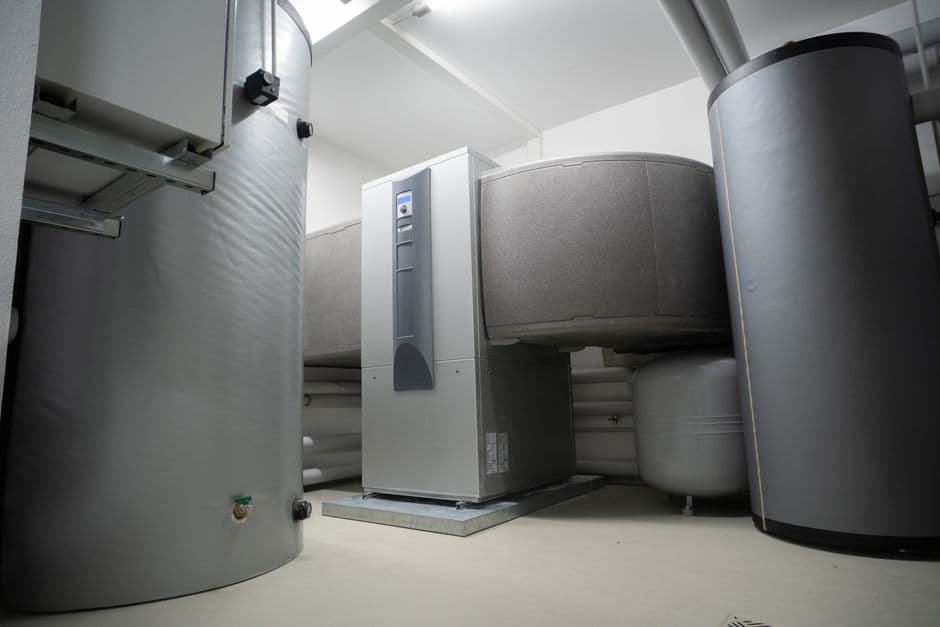
Britain's heat decarbonisation targets face serious jeopardy after Chancellor John Healey announced £3bn in cuts to the energy department's budget this week. The money is being redirected to defence spending, marking a sharp pivot from the government's stated climate commitments under former energy secretary Ed Miliband.
Energy sector experts warn the cuts will hobble heat pump rollouts, building efficiency programmes, and renewable heating infrastructure – the policy backbone needed to meet statutory carbon budgets and the legally binding Climate Change Act targets. The timing is significant: the UK is already off-track on heating decarbonisation, with insufficient heat pumps being installed to replace gas boilers at the rate required.
This is not merely budget reallocation. It signals political deprioritisation of climate action in the face of other fiscal demands. Miliband's energy security strategy, which hinged on accelerated renewable deployment and demand-side efficiency, loses credibility and funding cover simultaneously.
The contradiction is stark: the government remains bound by the Climate Change Act and must publish a credible pathway to 2035 carbon targets in its next updated Climate Change Risk Assessment. Missing heat decarbonisation targets will make that pathway mathematically implausible without radical compensatory cuts elsewhere – in transport, industry, or agriculture. Those sectors face their own delivery challenges.
What remains unclear is whether this represents a genuine policy reset toward growth-first economics, or a temporary budget squeeze that will be reversed. If permanent, it suggests the government no longer believes the heat transition can be financed within existing departmental spending envelopes.