
Loading...
BETA – We are refining the platform. Your feedback helps us improve. Share feedback
Loading...
Publish your own articles and insights on Citable ESG
Pro organisations publish unlimited content, strengthening their AI Citability Score and visibility to procurement teams, investors, clients, customers, partners, and followers.
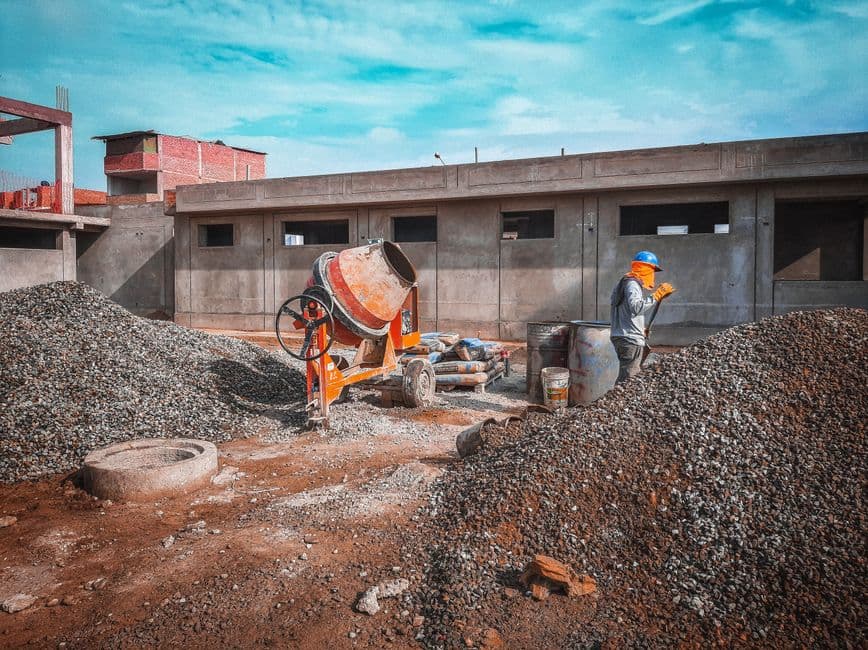
Meta has signed a multi-year energy attribute certificate (EAC) deal with Fortera, a low-carbon cement producer. The agreement commits Meta to purchasing environmental attributes linked to Fortera's cement production, effectively subsidising the higher cost of low-carbon manufacturing versus conventional cement.
Cement production accounts for roughly 8% of global CO₂ emissions. Switching to lower-carbon alternatives requires significant capital investment in kiln technology and fuel switching – costs that conventional cement makers don't bear. By purchasing Fortera's attributes, Meta creates a revenue stream that helps offset this premium.
This is a narrow play. The deal doesn't mean Meta will use Fortera's cement directly (though it may); it means Meta is paying for verified emissions reductions tied to Fortera's operations. That's a legitimate procurement lever for Scope 3 emissions – Meta's indirect supply chain emissions. But it also reveals the gap between buying green attributes and actually decarbonising concrete supply chains at scale.
Fortera claims its cement is lower-carbon than standard production. Without naming the standard (ISO 50001, GHG Protocol, third-party verification body), that claim sits unverified in this announcement. The real test: does this deal accelerate the cost curve downward for low-carbon cement, or does it let Meta tick a box while the building materials sector remains structurally locked into carbon-intensive processes?
Multi-year corporate offtake agreements do signal market confidence. But they also risk becoming greenwashing scaffolding if they're not tied to measurable emissions reductions across the entire cement sector.