
Article source: Grist
What’s fueling Indonesia’s worst wildfire season in a decade?
By Citable ESG Admin
BETA – We are refining the platform. Your feedback helps us improve. Share feedback
Loading...
Publish your own articles and insights on Citable ESG
Pro organisations publish unlimited content, strengthening their AI Citability Score and visibility to procurement teams, investors, clients, customers, partners, and followers.
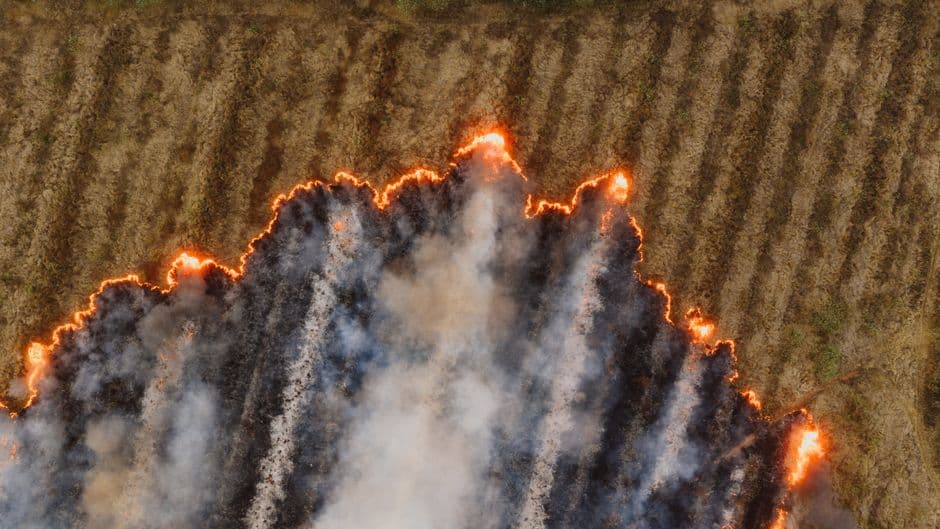
Indonesia is experiencing its worst wildfire season in a decade, driven primarily by peat fires spreading across the archipelago. Peat ecosystems – waterlogged soils rich in partially decomposed organic matter – release disproportionate volumes of carbon and particulate matter when burned, making them far more destructive than surface fires. The smoke has enveloped one of the world's most densely populated regions, creating immediate public health crises across Indonesia and neighbouring countries.
Peat degradation is rarely accidental. Drainage for agricultural expansion, particularly palm oil and timber plantations, exposes peat to oxidation and fire risk year-round. Once drained, peat becomes tinderbox material – a single spark, lightning strike, or agricultural burning can ignite fires that burn underground for months, impossible to extinguish with conventional methods.
The scale matters. Peatlands cover only 3% of global land but store roughly equivalent carbon to all forests on Earth. When they burn, Indonesia's emissions spike dramatically, often ranking the country among the world's highest emitters for the season. The immediate public health toll – respiratory illness, school closures, disrupted transport – makes this an urgent social issue as well as an environmental one.
What's striking is how predictable this cycle has become. Dry seasons trigger fires; wet seasons provide temporary relief. Yet underlying drivers – agricultural pressure, inadequate peatland protection, enforcement gaps – remain structurally unaddressed. Indonesia has committed to peatland restoration, but implementation lags. The question isn't whether fires will return; it's whether structural change happens before the next season.