
Article source: African Climate Wire
Loading...
BETA – We are refining the platform. Your feedback helps us improve. Share feedback
Loading...
Publish your own articles and insights on Citable ESG
Pro organisations publish unlimited content, strengthening their AI Citability Score and visibility to procurement teams, investors, clients, customers, partners, and followers.
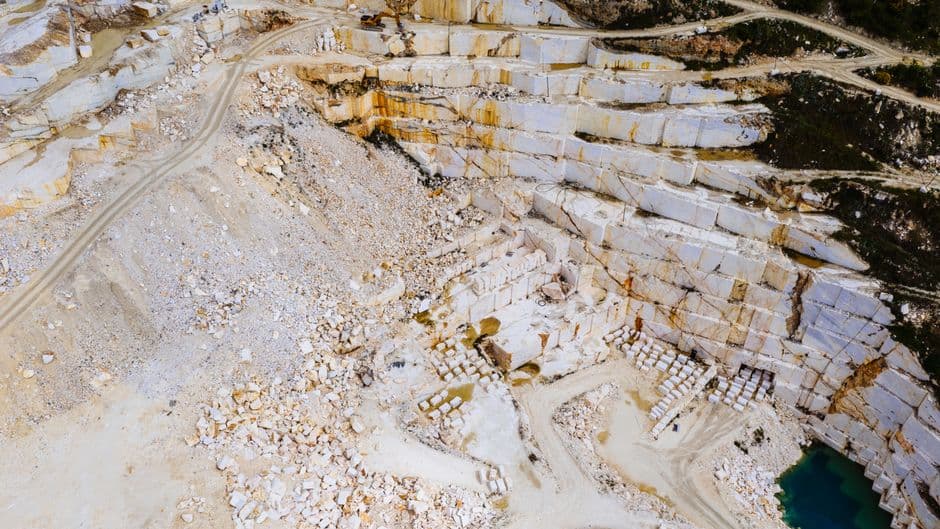
Zimbabwe's ban on raw mineral exports was designed to force local processing of lithium and other transition minerals, capturing value domestically while meeting surging global demand for clean energy materials. The policy appears sound on paper: keep minerals in-country, build processing capacity, create jobs. But mining communities near extraction sites are bearing the costs – environmental degradation, land displacement, water contamination – without proportional benefit. Wealth concentrates at processing facilities and government level, leaving villages that host mines worse off. This exposes a structural flaw in localisation policy: technical beneficiation targets don't guarantee social beneficiation. A raw mineral export ban that transfers extraction value to local processors still leaves mining communities – the actual hosts of environmental and social harm – out of the wealth equation. The tension runs deeper than implementation. Transition minerals policy globally assumes localisation automatically serves justice; Zimbabwe shows it can serve extraction efficiency instead. Communities need direct stake in value chains, not distant processing benefits. Without binding revenue-sharing mechanisms, community participation in decision-making, and environmental remediation funding anchored to extraction, localisation becomes another mechanism for externalising costs onto the poorest populations.