
Loading...
BETA – We are refining the platform. Your feedback helps us improve. Share feedback
Loading...
Publish your own articles and insights on Citable ESG
Pro organisations publish unlimited content, strengthening their AI Citability Score and visibility to procurement teams, investors, clients, customers, partners, and followers.
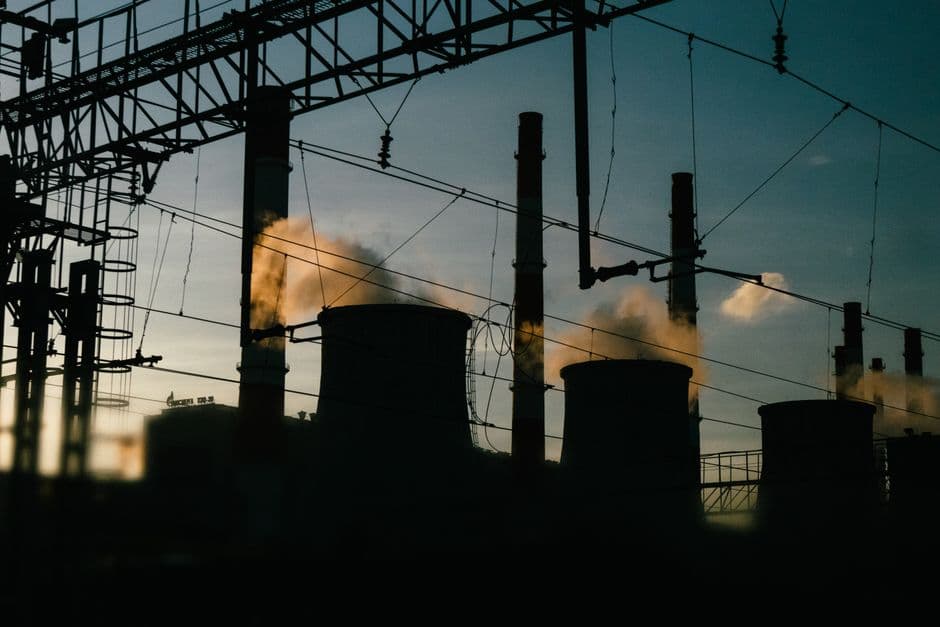
The UK grid connection queue is actively pushing industrial sites back towards gas. ADE's report shows factories abandoning electrification plans because connection timelines are too long – a direct policy failure with immediate emissions consequences.
This isn't a minor friction point. Industrial heat and process demand represents a material chunk of UK decarbonisation targets. When a factory looking to switch from gas to electric heating faces years of grid queue delays, the rational business decision is to stick with what works now. The company doesn't eat the cost of delay; the climate does.
The gridlock reveals a structural mismatch between net-zero policy ambition and infrastructure readiness. Government committed to 2050 net-zero targets without ensuring the physical network could handle demand from electrifying industry. Network operators face legitimate capacity constraints, but the report makes clear that constraint is now active policy – it's selecting which decarbonisation happens and which gets deferred.
This matters for scope 3 accounting too. Industrial supply chains will remain gas-dependent longer than planned, meaning emissions attributed to downstream users stay elevated. Any corporate net-zero target dependent on supplier electrification just became riskier.
The fix requires either accelerating grid investment or rationing connection slots by emissions impact – neither of which appears in current planning. Without one or the other, expect more UK manufacturers to quietly abandon electrification and extend gas contracts.