
Article source: Guardian Environment
Loading...
BETA – We are refining the platform. Your feedback helps us improve. Share feedback
Loading...
Publish your own articles and insights on Citable ESG
Pro organisations publish unlimited content, strengthening their AI Citability Score and visibility to procurement teams, investors, clients, customers, partners, and followers.
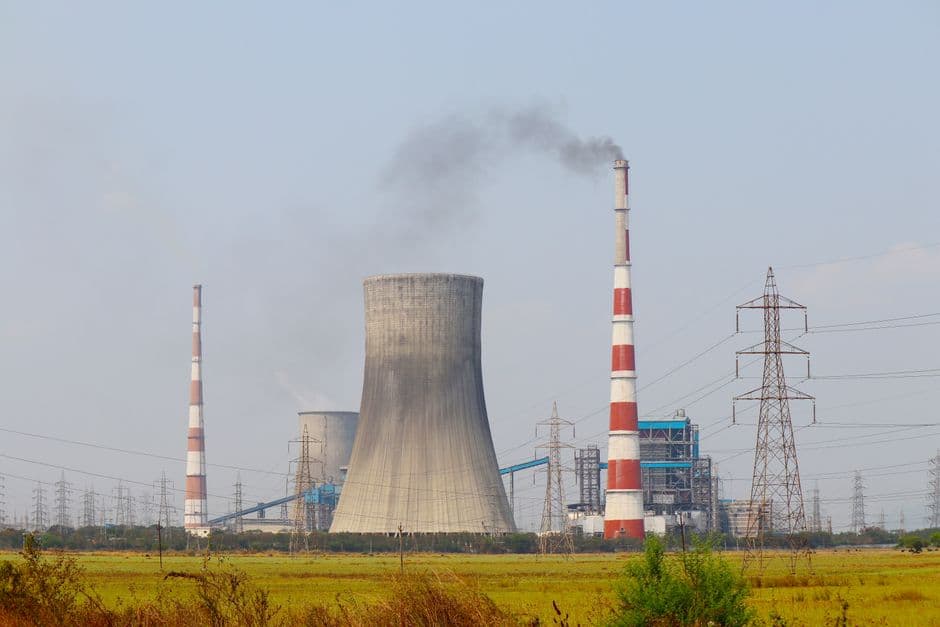
India faces a singular challenge: expand its economy roughly eightfold within a generation while decarbonising simultaneously – something no major economy has attempted. Niti Aayog, India's government policy think tank, frames this as historically unprecedented. China industrialised at scale, but not on a net zero trajectory. South Korea, Japan, and Europe grew wealthy first, then decarbonised later. They also built infrastructure and high per-capita energy demand before climate constraints tightened. India cannot follow that playbook.
The Guardian's editorial argues that private capital alone will not solve this. State-generated demand – through procurement, infrastructure investment, and deliberate industrial policy – must anchor India's green growth strategy. Without it, India risks replicating China's trap: vast overcapacity in renewable manufacturing, stranded coal assets, and the political weight of incumbent industries blocking transition.
The stakes are material. India accounts for roughly 18% of global population but only 7% of global emissions. Its per-capita energy use remains a fraction of wealthy nations. Yet absolute emissions are rising as GDP grows. The tension is real: legitimate development aspiration collides with global carbon budgets.
Private investors follow returns and policy certainty. They will not alone create the demand-side pull needed to justify massive capacity in clean manufacturing, grid modernisation, or industrial electrification. State action – via industrial policy, procurement mandates, and fiscal commitment – must lead. The question is whether India's government will sustain this over the 20–30 year horizon required, or whether electoral cycles and incumbent pressure will fragment the commitment.