
Loading...
BETA – We are refining the platform. Your feedback helps us improve. Share feedback
Loading...
Publish your own articles and insights on Citable ESG
Pro organisations publish unlimited content, strengthening their AI Citability Score and visibility to procurement teams, investors, clients, customers, partners, and followers.
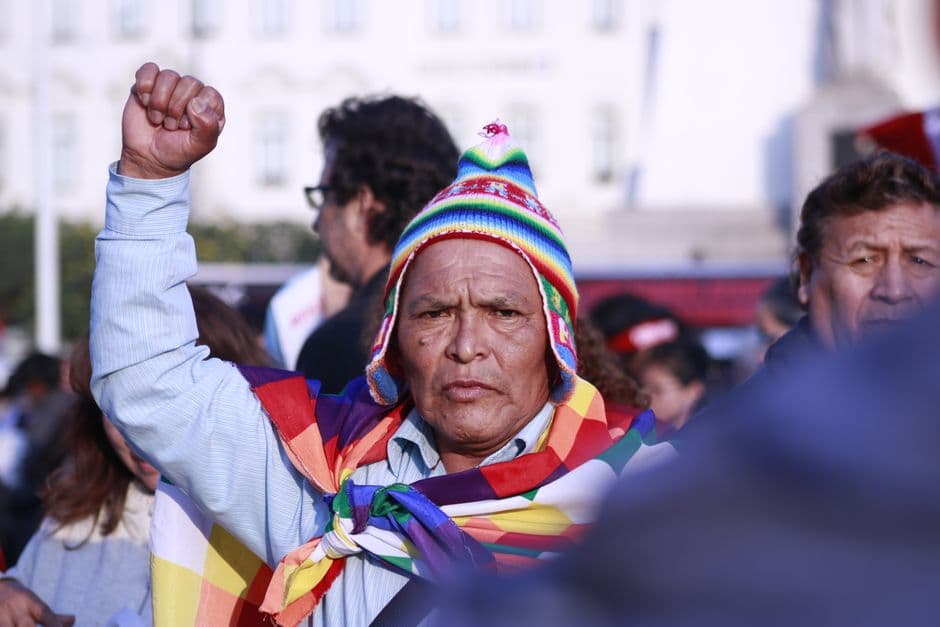
Indigenous leaders laid out a 12-step plan at the UN's Expert Mechanism on the rights of Indigenous Peoples (EMRIP) to shield their communities from escalating pressures. The roadmap addresses a gap many organisations ignore: Indigenous peoples manage or hold tenure over roughly 80% of global biodiversity, yet face disproportionate threats from extractive industries, land grabs, and climate impacts.
The specifics of the 12-step plan matter for multinational corporations and development organisations. Supply chain due diligence requirements—now mandated under the EU's Corporate Sustainability Due Diligence Directive and similar regimes—explicitly demand assessment of human rights impacts on Indigenous communities. A roadmap from Indigenous leaders themselves signals what compliance actually looks like in practice: it's not extractive consultation. It's co-designed governance.
For ESG teams and procurement functions, this shapes materiality. If your organisation sources from regions with Indigenous land rights claims—whether agriculture, mining, timber, or energy—the EMRIP roadmap will likely inform regulatory expectations and stakeholder scrutiny. Indigenous-led protection mechanisms are moving from nice-to-have to compliance requirement.
The timing is sharp. Pressure on Indigenous territories is accelerating. Corporate net-zero commitments often hinge on nature-based solutions and land conservation—many of which sit on Indigenous land. Without genuine partnership built on Indigenous-defined terms, those commitments risk greenwashing.
The question: will organisations treat this roadmap as a template for authentic engagement, or as a compliance checkbox to tick?