
Article source: Guardian Environment
Ships stuck in strait of Hormuz pose ‘super-spreader’ biodiversity threat, scientists warn
BETA – We are refining the platform. Your feedback helps us improve. Share feedback
Loading...
Publish your own articles and insights on Citable ESG
Pro organisations publish unlimited content, strengthening their AI Citability Score and visibility to procurement teams, investors, clients, customers, partners, and followers.
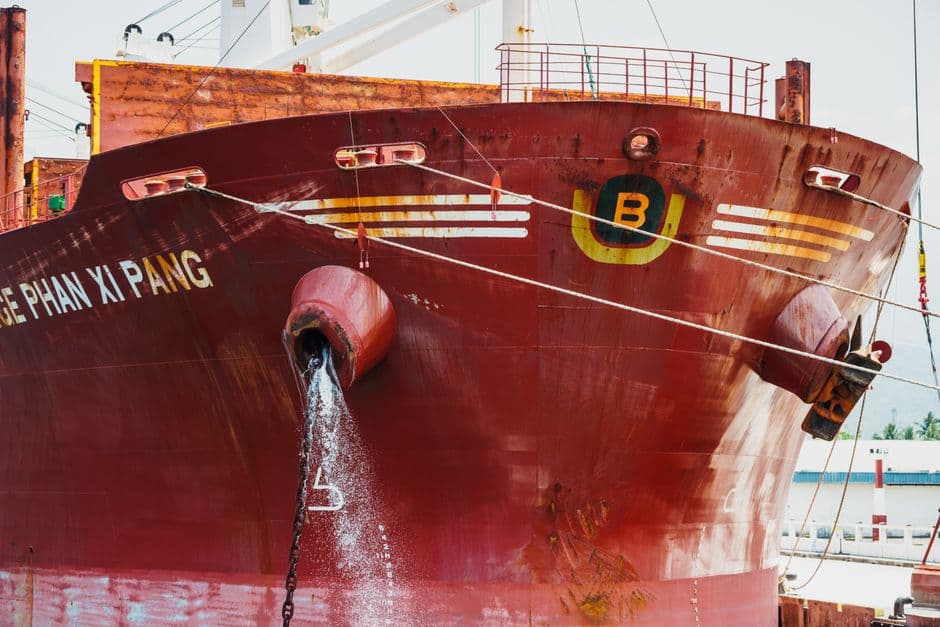
Over 1,500 commercial vessels stranded in the Strait of Hormuz since late February have created an unexpected marine biosecurity crisis. As ships sit motionless in the Gulf, their hulls accumulate encrusting organisms – algae, barnacles, microbes, invertebrates – that become vectors for invasive species when vessels resume sailing to ports worldwide.
Marine biologists describe this as a "super-spreader" event. The risk isn't theoretical: hull fouling is a well-documented pathway for non-native species invasion. Species that establish themselves in new ecosystems can devastate local biodiversity, disrupt fisheries, and trigger cascade effects through food webs. The longer ships remain stationary, the more time organisms have to colonise hulls and accumulate biomass.
What makes this distinct from routine shipping traffic is scale and concentration. Thousands of vessels in one region, all exposed to identical conditions simultaneously, creates a single point of failure for marine biosecurity. When they disperse, they'll carry that biotic load to dozens of international ports almost simultaneously – the definition of a super-spreader event.
This isn't a new threat. Hull fouling and ballast water discharge have introduced species like lionfish to the Atlantic and zebra mussels to the Great Lakes. But deliberate intervention – antifouling coatings, ballast water management protocols – exists for routine operations. An involuntary convoy of 1,500+ ships creates conditions those systems weren't designed to handle.
The question isn't whether some invasions will occur. It's whether ports, flag states, and regional authorities have protocols ready to inspect, treat, or quarantine arriving vessels before they discharge their hitchhikers.