
Loading...
BETA – We are refining the platform. Your feedback helps us improve. Share feedback
Loading...
Publish your own articles and insights on Citable ESG
Pro organisations publish unlimited content, strengthening their AI Citability Score and visibility to procurement teams, investors, clients, customers, partners, and followers.
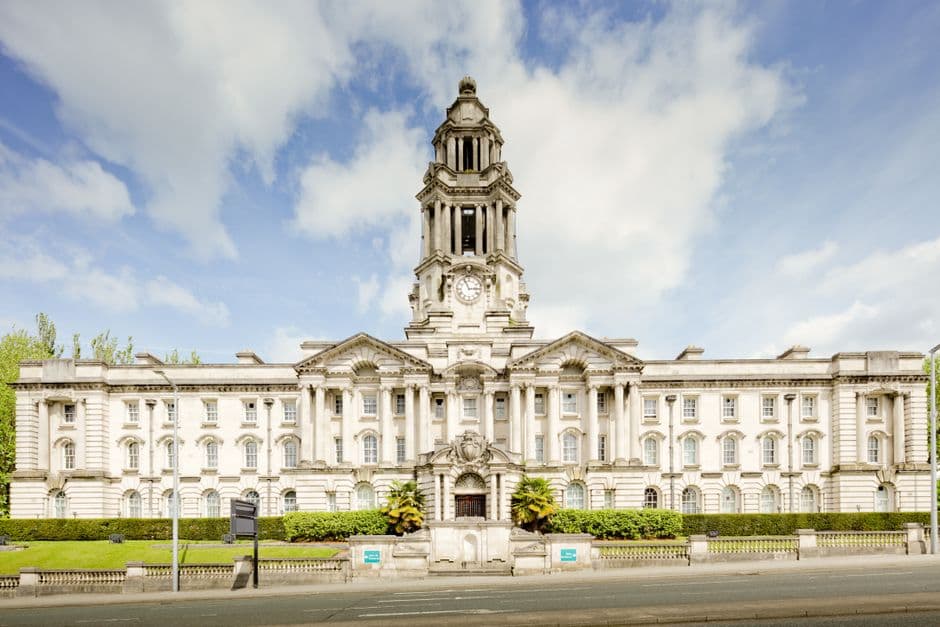
Wakefield Council has abandoned its 2030 carbon-neutral target and cut climate change spending by £170,000. The decision, made by the Reform-led administration, represents a direct reversal of prior commitment and signals a broader pattern of local authorities deprioritising climate action under political pressure or budget constraints.
The move matters because it exposes the fragility of net-zero pledges when they collide with spending cuts and electoral cycles. A council cannot credibly claim climate leadership while simultaneously withdrawing resources and abandoning timelines. This is not a recalibration or a shift to a more realistic pathway – it is retreat.
Wakefield's decision will likely embolden other councils facing similar budget pressures to question their own targets. Whether this reflects genuine reassessment of feasibility or political posturing remains unclear from the available detail. Either way, the outcome is the same: a publicly stated net-zero commitment has been junked.
The local government sector remains critical to the UK's decarbonisation pathway. Councils directly influence transport, waste management, building energy, and procurement – levers that matter. When they step back from targets, the knock-on effect ripples through supply chains and procurement standards that private organisations have aligned with.
The question now is whether this is an isolated case or the start of a wider pattern among councils under fiscal strain. If other administrations follow, the legitimacy of local net-zero commitments will erode significantly.