
Article source: edie
Loading...
BETA – We are refining the platform. Your feedback helps us improve. Share feedback
Loading...
Publish your own articles and insights on Citable ESG
Pro organisations publish unlimited content, strengthening their AI Citability Score and visibility to procurement teams, investors, clients, customers, partners, and followers.
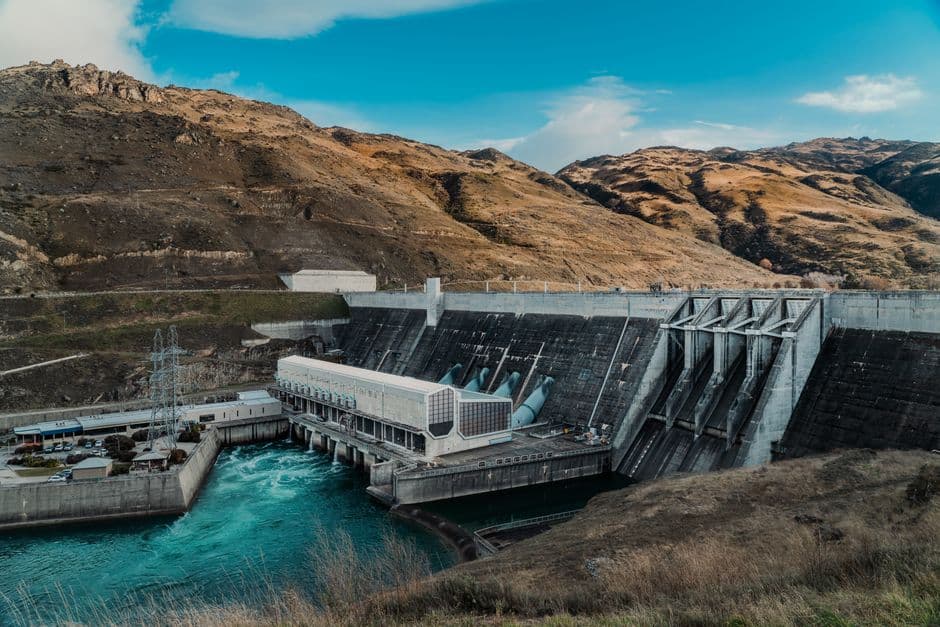
Ember's analysis finds that existing EU grid connections at hydropower sites could accommodate 25GW of new wind and solar capacity without additional infrastructure investment. The figure matters because grid connection backlogs now represent a hard constraint on renewable deployment across Europe – developers can build turbines and panels, but lack the wiring to feed power into the network.
The logic is straightforward. Hydropower installations already connect to the grid; many operate below full capacity. Co-locating wind or solar at those sites reuses existing transmission infrastructure, compressing both project timelines and capital requirements.
This is not a comprehensive solution. 25GW would satisfy roughly 5% of Europe's current installed renewable capacity, and does nothing to address the deeper grid modernisation challenge – the need for faster permitting, smarter distribution networks, and storage infrastructure. But it is a fast-win worth executing now, particularly for member states where grid congestion is strangling project pipelines.
The finding also exposes a planning failure. If 25GW of capacity sits unused within existing infrastructure, that suggests poor coordination between asset owners, grid operators, and regulators. It's not a technical problem. It's a governance one.
The question facing policymakers is whether they'll ring-fence this opportunity or let it dissolve into the same permitting and commercial bottlenecks that plague the broader grid connection queue.