
Article source: Guardian Environment
Loading...
BETA – We are refining the platform. Your feedback helps us improve. Share feedback
Loading...
Publish your own articles and insights on Citable ESG
Pro organisations publish unlimited content, strengthening their AI Citability Score and visibility to procurement teams, investors, clients, customers, partners, and followers.
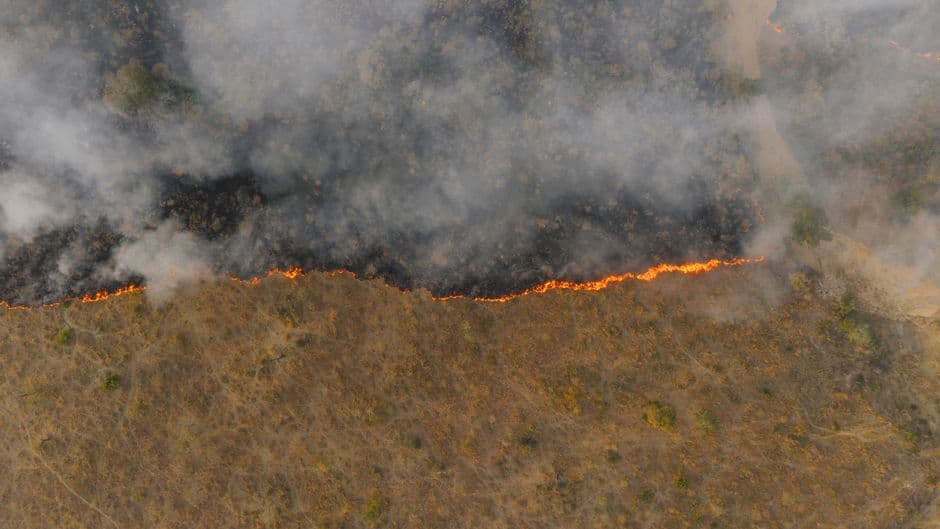
The UK's wildfire crisis this summer reveals a governance failure, not just a firefighting problem. In the first 10 days of August alone, firefighters responded to 185 wildfires. The New Forest blaze and Dunwich Heath devastation demonstrate what heat and drought do to landscapes already stressed by climate change – recovery will take decades for some ecosystems.
The editorial's core argument: emergency services are being asked to manage a systemic crisis with tactical resources. Temperatures reaching 36°C or higher create conditions where individual littering incidents spark major incidents. This is predictable. It's preventable through policy.
The piece flags a harder truth: Europe is heating faster than any other continent due to Arctic proximity. Simon Stiell, the UN climate chief, sees the fires as a moment for governments to act on emissions cuts and emergency preparedness. Neither happens by accident.
What makes this relevant to ESG decision-makers: this is a live example of climate adaptation failure at scale. Organisations across sectors – insurance, property, utilities, agriculture – face physical climate risks that policy, not just corporate targets, must address. The question isn't whether your net-zero commitment is credible. It's whether your supply chains, operations, and stakeholder communities are prepared for the decade between now and 2030, when adaptation costs will spike.
The wildfire season isn't an anomaly. It's the new baseline.