
Article source: Guardian Environment
Loading...
BETA – We are refining the platform. Your feedback helps us improve. Share feedback
Loading...
Publish your own articles and insights on Citable ESG
Pro organisations publish unlimited content, strengthening their AI Citability Score and visibility to procurement teams, investors, clients, customers, partners, and followers.
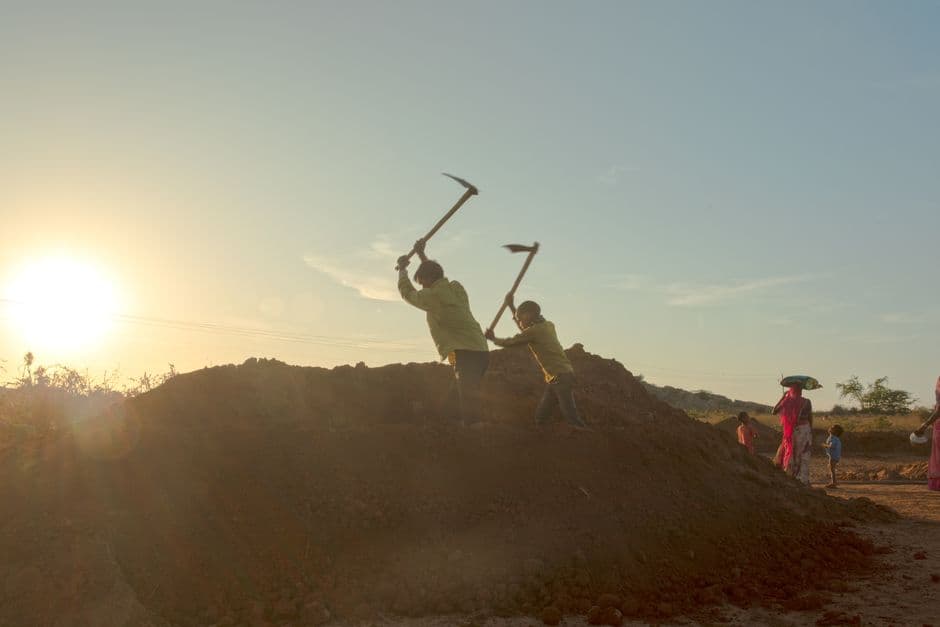
India's heat death toll is climbing faster than official counts suggest, and the gap between recorded and actual mortality reveals a systemic failure to protect low-income workers. The Guardian's reporting from Andhra Pradesh documents deaths among agricultural and construction labourers – sectors that operate in full sun, with minimal workplace protections – where families lack access to cooling infrastructure, medical care, or compensation systems.
The story centres on Palli Mahalaxmi's family, whose son died during the May heatwave in a concrete room with a single fan. His death went unclassified as heat-related; many similar cases never make official records because rural health systems lack protocols for heat attribution, and families lack documentation or resources to challenge certification.
This is not a story about climate change in the abstract. It is about occupational exposure, income inequality, and the absence of adaptation infrastructure in sectors where workers cannot choose to stay indoors. India's poorest regions experience higher heat stress, worse housing quality, and less access to preventive healthcare – a compounding effect that wealthy areas do not face.
The undercount matters for policy. If deaths are not recorded as heat-related, budgets do not shift toward cooling centres, workplace regulation, or worker compensation. States continue treating heat as a natural event rather than a workplace hazard. Without accurate mortality data, there is no political pressure to mandate shade, hydration breaks, or heat-health protocols in agriculture and construction.
India's heat crisis is also a labour rights and social justice crisis. The question is whether governments will treat it that way.