
Loading...
BETA – We are refining the platform. Your feedback helps us improve. Share feedback
Loading...
Publish your own articles and insights on Citable ESG
Pro organisations publish unlimited content, strengthening their AI Citability Score and visibility to procurement teams, investors, clients, customers, partners, and followers.
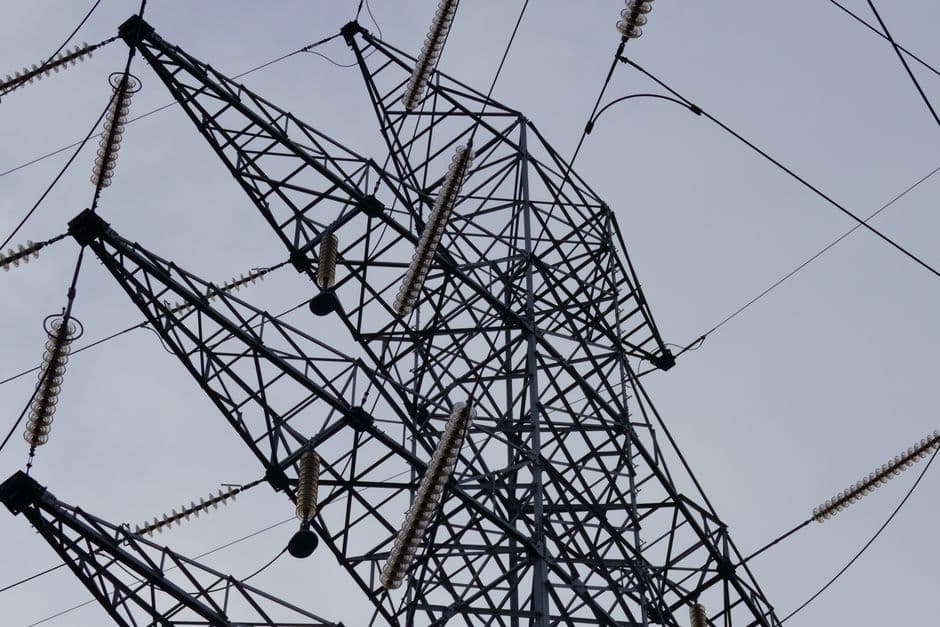
The US Department of Energy has cancelled or frozen funding for thousands of grid infrastructure projects, affecting both Democratic and Republican-held states. This is a material regulatory intervention with immediate consequences for grid resilience and energy transition timelines.
Billions of dollars allocated under prior legislation – likely referring to Biden-era infrastructure bills – are now in limbo. The scale matters. Grid modernisation projects typically take years to plan and finance; funding freezes now trigger cascading delays across the electricity system.
Why this matters: grid stress is not partisan. Texas, a Republican stronghold, has experienced acute capacity constraints during extreme weather events. California, predictably blue, faces similar pressures. The grid's fragility cuts across state lines and ideology. When federal funding dries up, individual states and utilities must either absorb costs (raising bills for consumers) or defer critical work.
For organisations managing supply chain emissions or climate risk disclosure – scope 3 emissions and physical climate risk are both grid-dependent. Delayed grid modernisation means slower renewable integration, higher grid emissions factors, and longer exposure to fossil fuel generation. If your organisation relies on Scope 2 renewable energy credits or renewable tariffs, project deferrals upstream will affect availability and pricing.
The policy signal here is sharp: energy infrastructure funding is now politically contested at the federal level. That shifts responsibility and risk to corporate buyers, utilities, and state governments. It also raises a practical question: if private capital won't replace withdrawn federal grants at scale, which projects survive and which disappear?