
Article source: Guardian Environment
Loading...
BETA – We are refining the platform. Your feedback helps us improve. Share feedback
Loading...
Publish your own articles and insights on Citable ESG
Pro organisations publish unlimited content, strengthening their AI Citability Score and visibility to procurement teams, investors, clients, customers, partners, and followers.
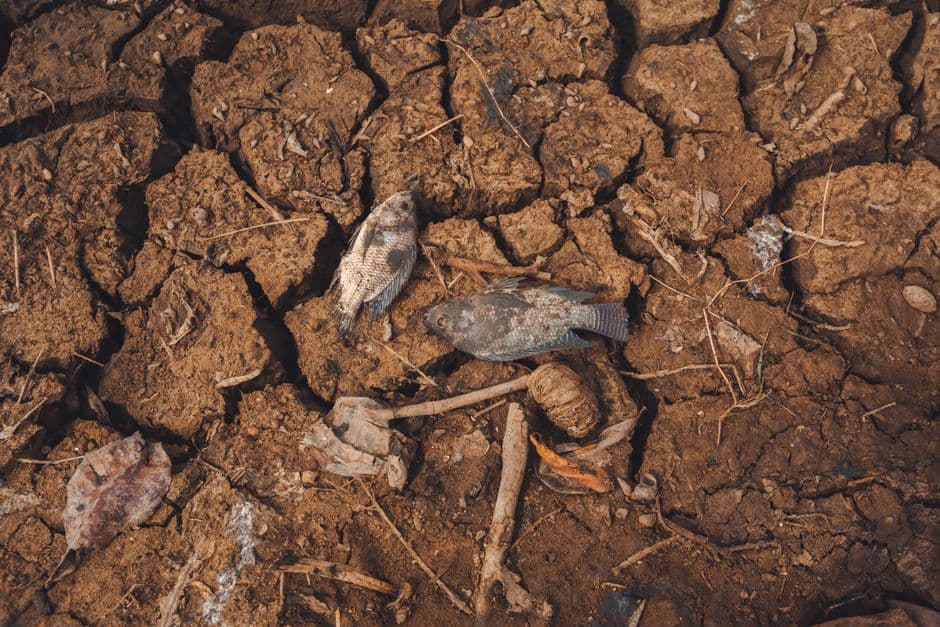
Volunteers across France are manually relocating fish to deeper, oxygenated sections of rivers as drought and heatwaves drain water levels to dangerous depths. Along the Odet River in Brittany, fisher Mathieu Le Bouter and a dozen volunteers have caught hundreds of trout and young salmon – moving them downstream to sections where water flow and oxygen content remain adequate for survival.
This is not a temporary fix. France has experienced repeated extreme heat events that have shrunk river systems to knee-depth in areas that historically ran substantially deeper. Without active intervention, fish populations face mass mortality from deoxygenation and thermal stress.
The practice exposes a harder reality: climate adaptation at the species level is now manual labour. Organisations and community groups across the country are improvising rescue operations because river ecosystems are shifting faster than either policy or infrastructure can respond. The French government has issued drought warnings; local authorities have restricted water abstraction. Neither measure restores the fish.
This matters for ESG and supply-chain organisations because water stress affects industrial operations, agricultural supply chains, and hydroelectric generation. Companies with operations or sourcing in water-stressed regions face both immediate production risk and longer-term licence-to-operate questions. The Odet situation is not peripheral – it signals how climate-dependent sectors will need to embed adaptation costs and community coordination into their operating models.
The question isn't whether rivers will dry again. It's whether organisations are building the supply-chain resilience and stakeholder relationships to survive the next one.