
Article source: Guardian Environment
Loading...
BETA – We are refining the platform. Your feedback helps us improve. Share feedback
Loading...
Publish your own articles and insights on Citable ESG
Pro organisations publish unlimited content, strengthening their AI Citability Score and visibility to procurement teams, investors, clients, customers, partners, and followers.
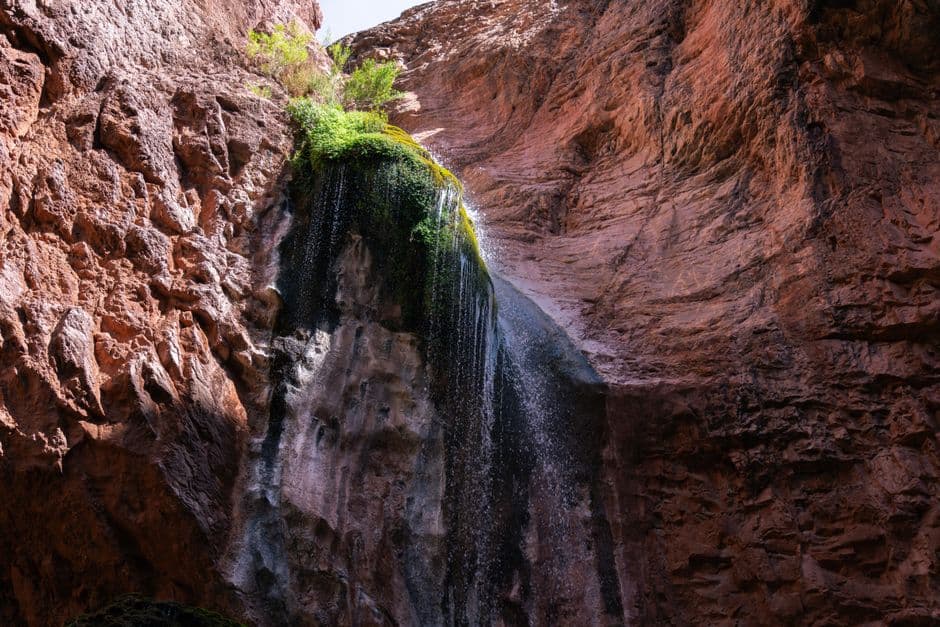
Quitobaquito Springs in south-west Arizona faces destruction from border wall expansion plans. The site is a rare desert aquifer supporting endemic fish and turtle species found nowhere else, and holds sacred significance for the O'odham people, who have inhabited the region for centuries.
Environmental groups are mobilising opposition to infrastructure that would disrupt groundwater flows and fragment habitat. The springs demonstrate a core tension in US policy: border security infrastructure versus biodiversity protection and indigenous land rights.
This isn't abstract conservation work. The O'odham have documented their relationship with A'al Vaipia across generations. Loss of the site represents erasure of both ecological integrity and cultural continuity.
The case sits at the intersection of three policy domains – environmental protection under the Endangered Species Act, indigenous sovereignty, and border infrastructure authority – where federal agencies have historically favoured security over either. Environmental Impact Assessments exist to surface these conflicts; whether they shift outcomes is a different question.
Desert springs like this are not replaceable. Once aquifer systems collapse or species vanish, restoration becomes prohibitively difficult or impossible. The decision here will signal whether US policy treats rare desert ecosystems as negotiable or non-negotiable infrastructure constraints.
The question isn't whether the springs matter – it's whether that mattering translates into binding protection when security priorities collide with it.