
Article source: Guardian Environment
Loading...
BETA – We are refining the platform. Your feedback helps us improve. Share feedback
Loading...
Publish your own articles and insights on Citable ESG
Pro organisations publish unlimited content, strengthening their AI Citability Score and visibility to procurement teams, investors, clients, customers, partners, and followers.
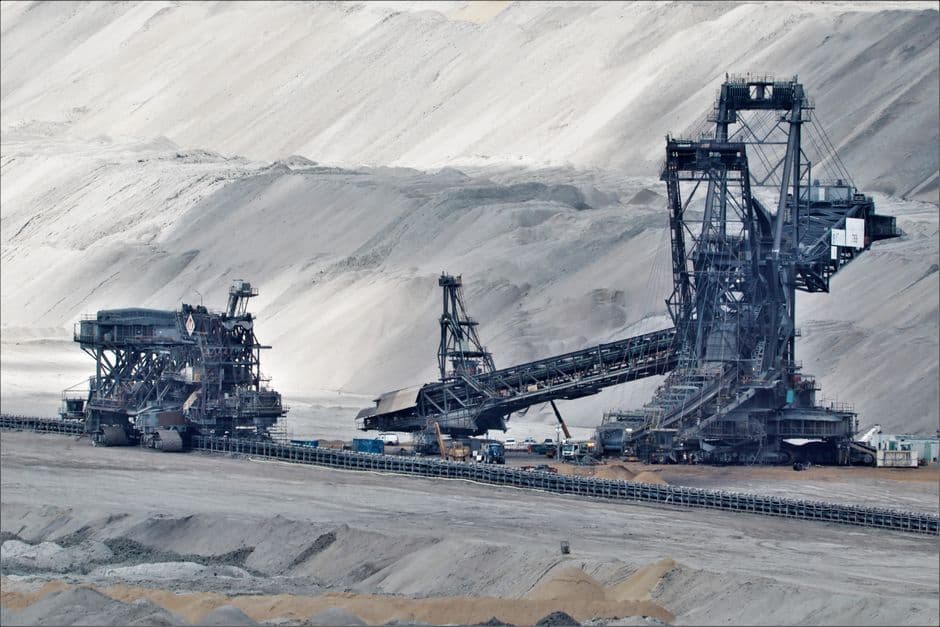
New South Wales faces a direct collision between climate commitments and coal expansion. The Minns government promised no new coalmines, yet permits are extending existing operations – Hunter Valley Operations is pushing for a 19-year extension at its site, the largest proposed expansion in the state. Local residents in the Hunter Valley are being given minimal time to object at community hearings, with speakers like Janet Murray allocated five minutes each to voice concerns about children's futures and air quality.
The contradiction is stark. NSW is behind on its own climate targets. A 19-year coalmine extension locks in decades of carbon-intensive production at a moment when the state needs to accelerate transition away from fossil fuels. The government's distinction between "new" mines and expansions of existing operations is semantic cover for expanded extraction.
This isn't abstract policy. Communities downstream from mining operations absorb real costs: respiratory illness, property devaluation, water stress, and foregone opportunity to build alternative industries. The five-minute public comment window signals whose voices actually shape the approval process – spoiler: not locals who live with the consequences.
The tension here matters beyond NSW. State governments globally are caught between legacy fossil fuel industries with political power and climate obligations they've publicly accepted. The question isn't whether expansion happens quietly or loudly – it's whether communities affected get genuine say, and whether climate maths override deposit economics.